How to Compare Loan Estimates and Builder Incentives
Homebuyer Tips Oct 22, 2026 · 5 min read
Alta Homes Team

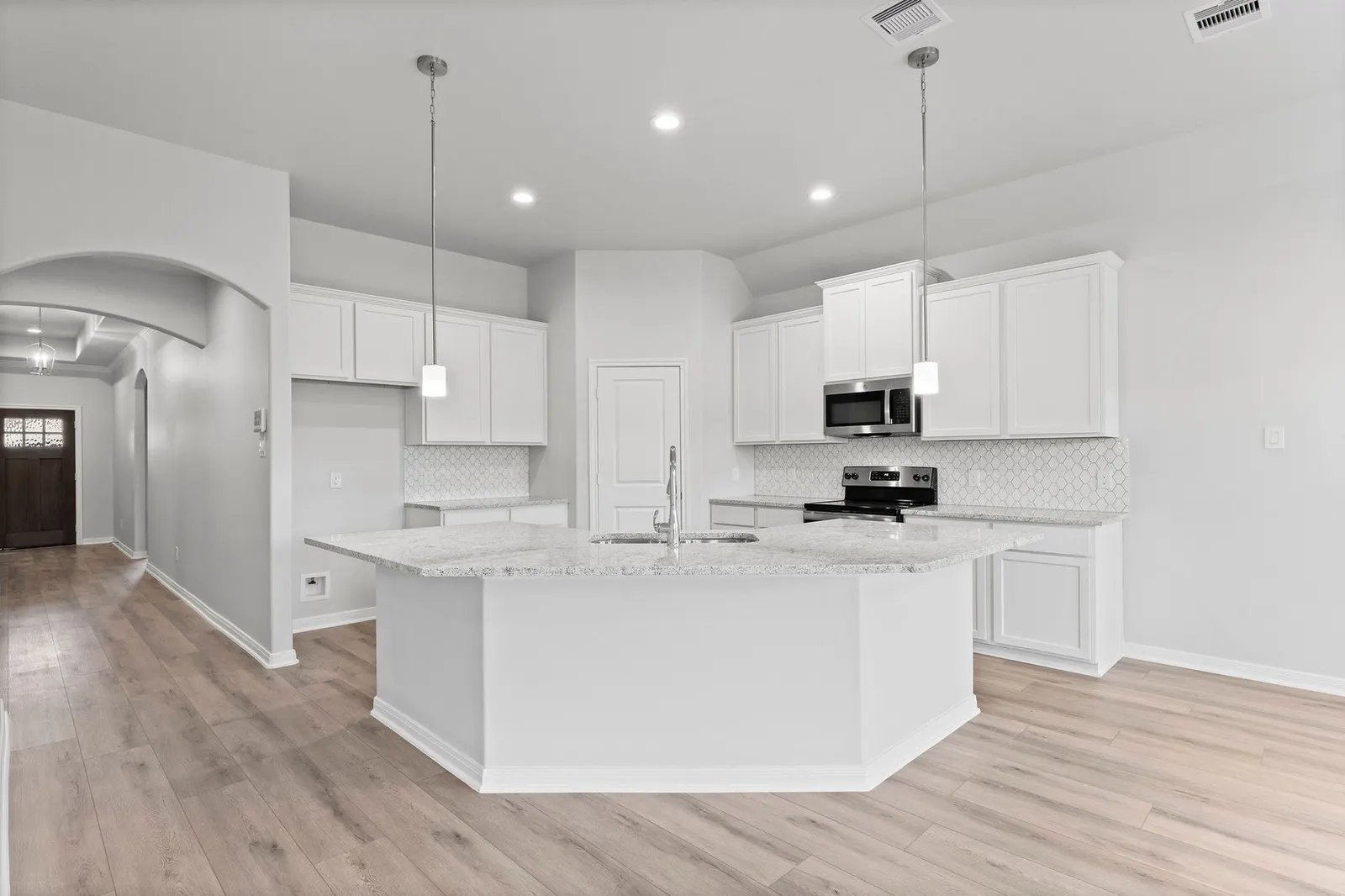
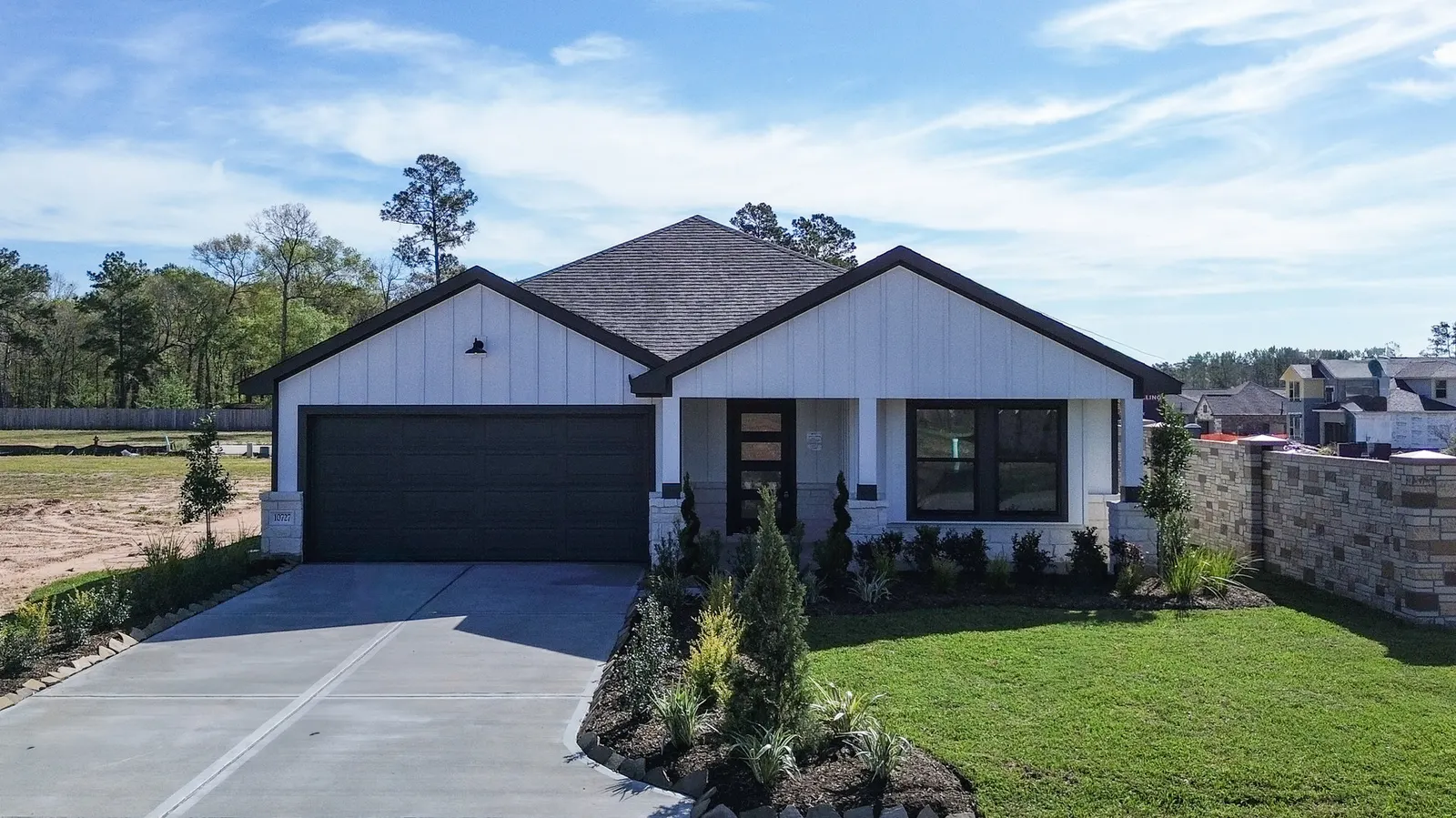
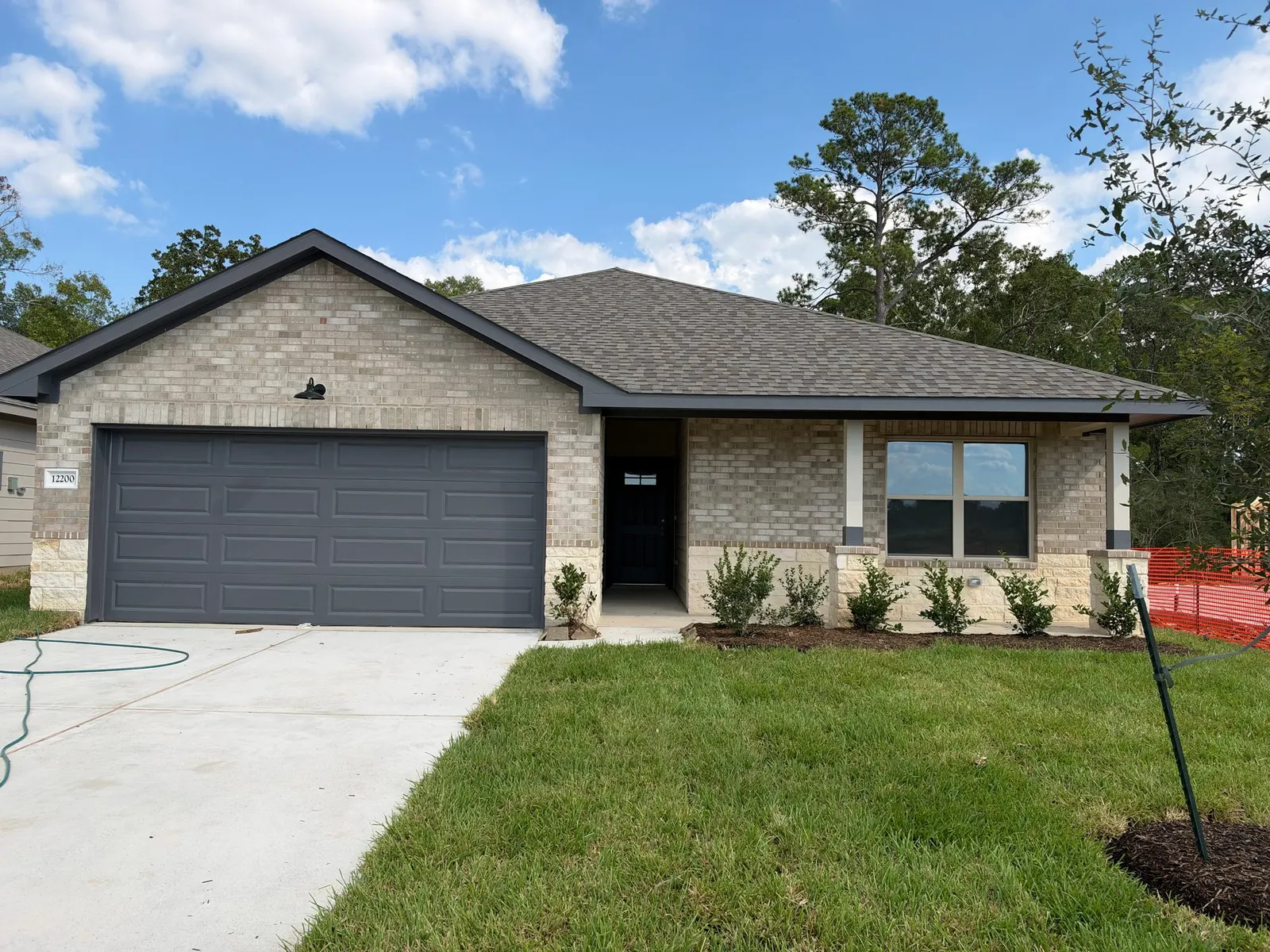
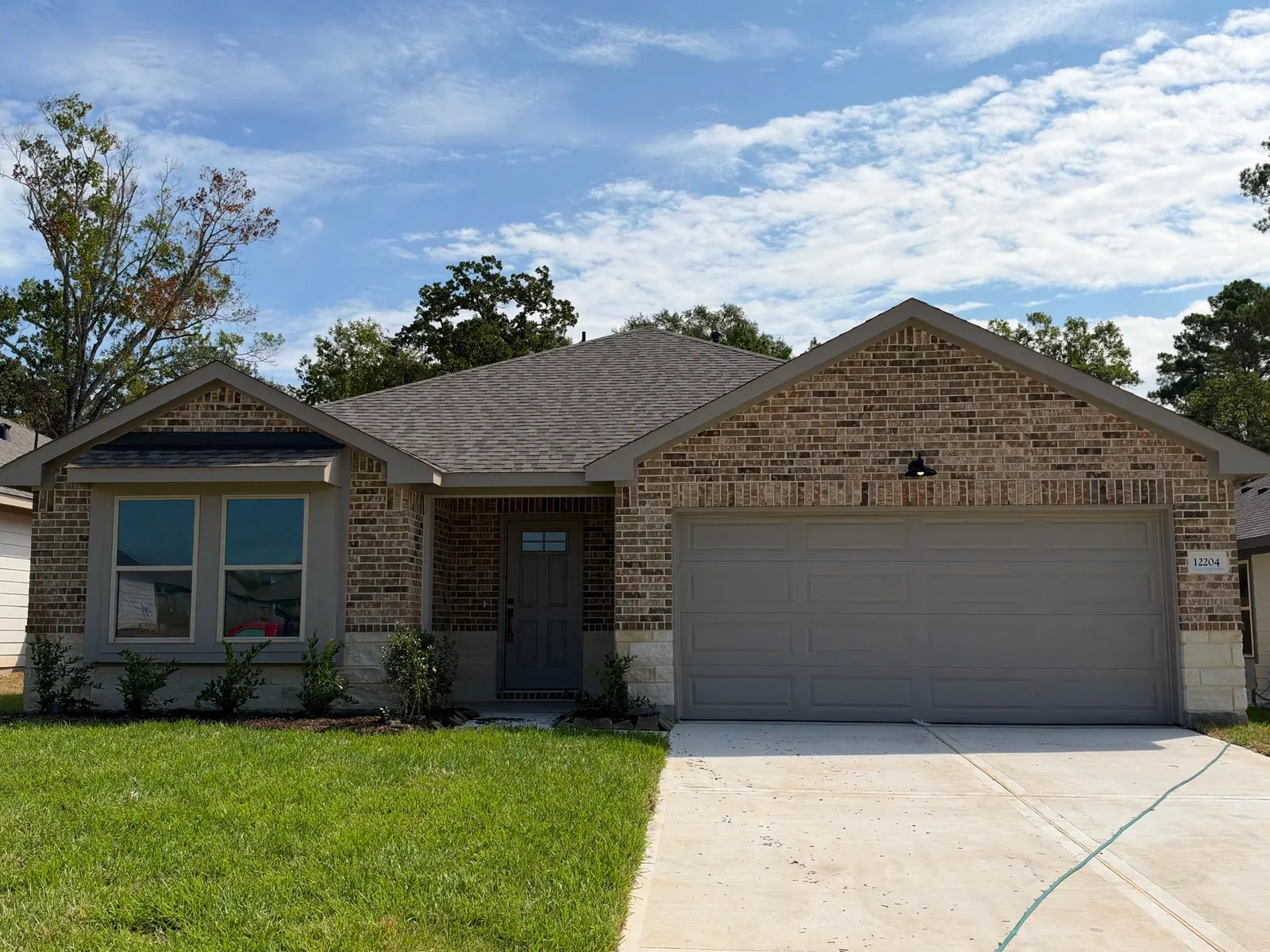
Set aside time to compare the written offers for your home. Photo from our home gallery.
Two lenders can quote the same home and show different rates, credits, and amounts due at closing. The best comparison puts all three together: cash needed now, the ongoing payment, and the cost over the time you expect to keep the loan.
For a new Alta home, keep the purchase agreement and any incentive terms beside the lenders’ Loan Estimates. That lets you see which offer fits your budget without counting a credit that does not apply.
Request comparable Loan Estimates
Give lenders the same home address, price, down payment, expected closing date, loan type, and term. Record the quote date and whether the interest rate is locked. A smaller down payment can change the loan amount and mortgage insurance, so compare different programs separately.
For most purchase mortgages, the lender must send a Loan Estimate within three business days after receiving six application items: your name, income, Social Security number to obtain a credit report, property address, estimated property value, and requested loan amount. The CFPB explains how to request Loan Estimates.
Keep mortgage shopping within a short period. The CFPB says same-type loan inquiries generally count as no more than one inquiry within a 14-to-45-day window, depending on the scoring model. That is a reason to shop lenders together, not a promise that an application will have no credit-score effect.
Our financing page has a home-budget estimator using income, debts, and down payment, with estimated taxes, insurance, and HOA dues. A separate calculator estimates principal and interest. Use those illustrations to explore a budget; get your actual loan terms and eligibility from a lender.
Read the payment and closing costs together
The CFPB’s Loan Estimate explainer shows where these items appear:
| Part of the form | Compare |
|---|---|
| Loan Terms and Projected Payments | Loan amount, rate, mortgage insurance, and estimated total payment |
| Loan Costs | Points, origination charges, and services you can or cannot shop for |
| Other Costs | Taxes and government fees, prepaids, initial escrow, and other charges |
| Calculating Cash to Close | Down payment, deposit, seller credits, and other adjustments |
| Comparisons | APR and the other disclosed cost measures |
| Rate Lock | Whether the rate is locked and when the lock expires |
Use realistic property-tax and insurance estimates in both offers. A smaller insurance allowance does not make a lender’s financing cheaper. For a home still under construction, ask what happens to the rate lock and any extension fees if closing moves.
Put the builder incentive in the correct column
When an Alta listing shows an incentive, ask our Home Advisor for the home’s written terms: eligible purchase, permitted use, deadline, and any lender or title-company conditions. Give those terms to each lender.
A builder is the seller in this transaction. An applicable contribution toward your closing costs is generally reflected as a seller credit in the cash-to-close calculation. Ask the lender to show exactly where it appears. If an incentive requires a particular lender, include it only in that lender’s offer, then compare the complete costs.
Loan programs also limit seller contributions. For example, Fannie Mae’s general rule caps financing concessions at 3% of the lower of price or appraised value for a principal residence or second home with a loan-to-value ratio above 90%. The allowable amount also cannot exceed the borrower’s closing costs. Other programs and circumstances have different rules; have the lender confirm what you can actually use.
Separate cash to close from closing costs
Here is an invented example, not an Alta offer or a statement of a loan program’s permitted credits:
| Item | Hypothetical amount |
|---|---|
| Down payment | $15,000 |
| Closing costs before the seller credit | $8,000 |
| Deposit already paid | −$2,000 |
| Seller credit allowed and applied | −$4,000 |
| Cash still due | $17,000 |
Deduct the deposit because it was already paid. Count each credit once, and keep moving expenses and emergency savings outside this calculation. Our guide to cash needed to buy a home helps organize the broader budget.
Decide whether paying for a lower rate is worthwhile
Discount points are upfront charges that reduce the rate. Rate-related lender credits generally trade a higher rate for lower upfront costs, although some credits serve other purposes. The CFPB explains points and lender credits.
Suppose one option costs an extra $2,400 upfront and saves $60 monthly in principal and interest. That hypothetical option takes 40 months to recover the extra cost through those payment savings. This simple calculation leaves out differences in loan balances and other costs; compare those too.
Keep your selected Loan Estimate. For most purchase mortgages, you must receive the Closing Disclosure at least three business days before closing. Compare it with the latest estimate and resolve changed terms or unexplained charges.
Choose a home from our available listings, get its current written purchase terms, and use our monthly-payment worksheet to check what the full payment leaves in your budget.
We are a home builder, not a mortgage lender. This is general information; lender approval, written loan disclosures, and the applicable purchase and incentive terms govern your transaction.